
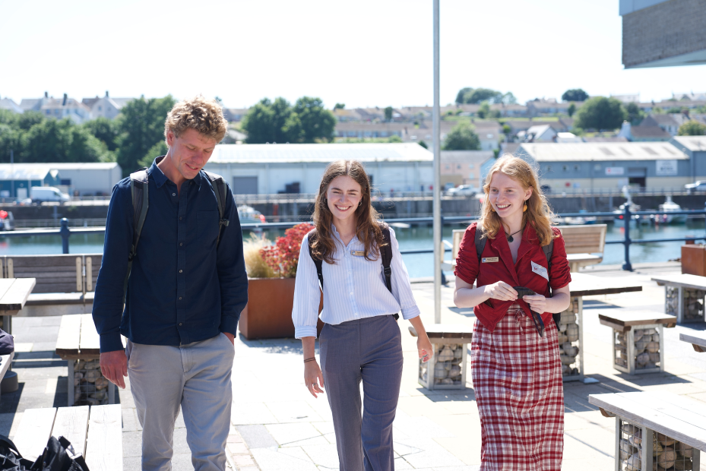
Meet Arwen and Sophie, two interns who’ve joined META and Pembrokeshire Coastal Forum (PCF) through the Crown Estate’s Marine Futures Internship Programme.
This summer, we welcomed Arwen Skinner and Sophie Dunlop to the META team as part of the new Marine Futures South Wales internship programme, and it’s been a busy few months for them both.
From meeting people and attending industry events, to learning more about what goes into developing marine energy and putting their own stamp on their projects, they’ve already experienced many different aspects of the sector.
The Marine Futures: South Wales programme is funded by The Crown Estate and managed by Pembrokeshire Coastal Forum, in partnership with the Offshore Renewable Energy Catapult and Natural Resources Wales.
Over the six-month internship, Arwen and Sophie will gain experience across renewable energy, marine policy, community engagement and ocean literacy, while supporting work linked to our test sites at META.
Their main project is looking at ways to improve META, which has already involved meeting with a range of organisations and individuals to understand what they need from a marine energy test facility.
We thought it was a good time to check in with them and find out what brought them to the programme, what has surprised them most so far, and what they think about the future of marine energy in Wales.
Meet Sophie
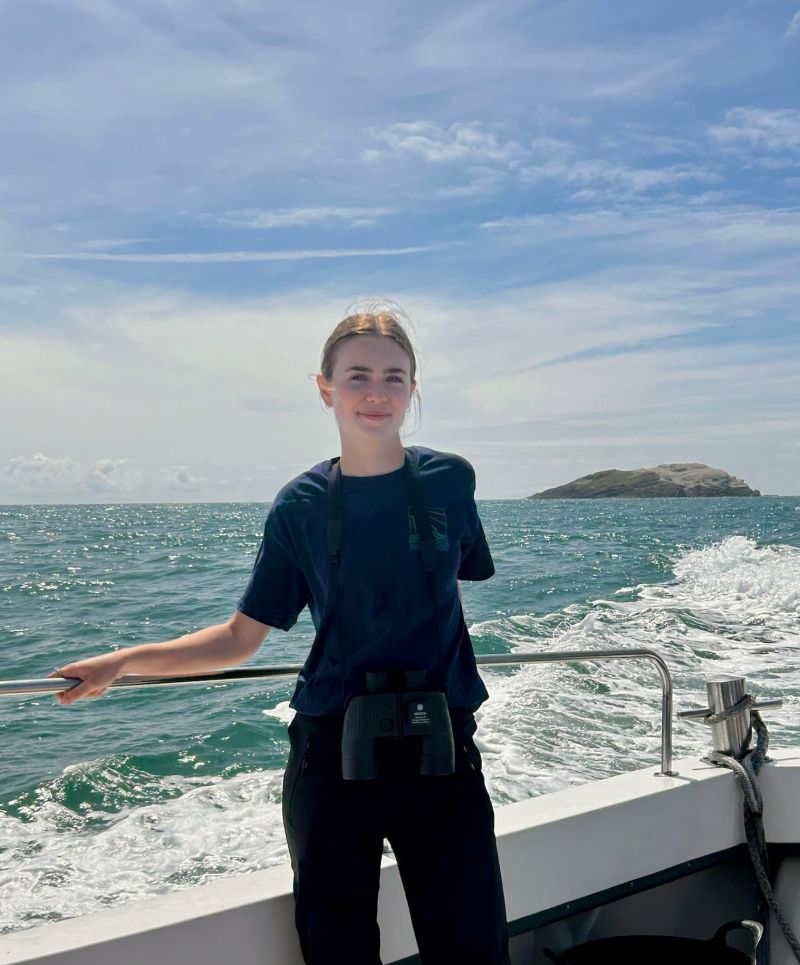
Sophie joined us with a keen interest in renewable energy, and practical experience in hydrographic surveying and spatial planning of windfarms.
“During my studies at university, my concern about the climate crisis focused my attention on renewable energy”.
Her time at university also sparked a keen interest in deep-sea mining as a potential source of metals for building renewable technology. This was a key part of her dissertation project.
For Sophie, the internship offered a chance to explore where those interests could take her.
“I applied to this internship to gain more insight into careers within the marine renewables sector and it provides the valuable opportunity of working alongside key stakeholders, including The Crown Estate and Natural Resources Wales, whom I hope to make meaningful connections with.”
She’s also keen to use what she learns to contribute to projects closer to home.
Meet Arwen
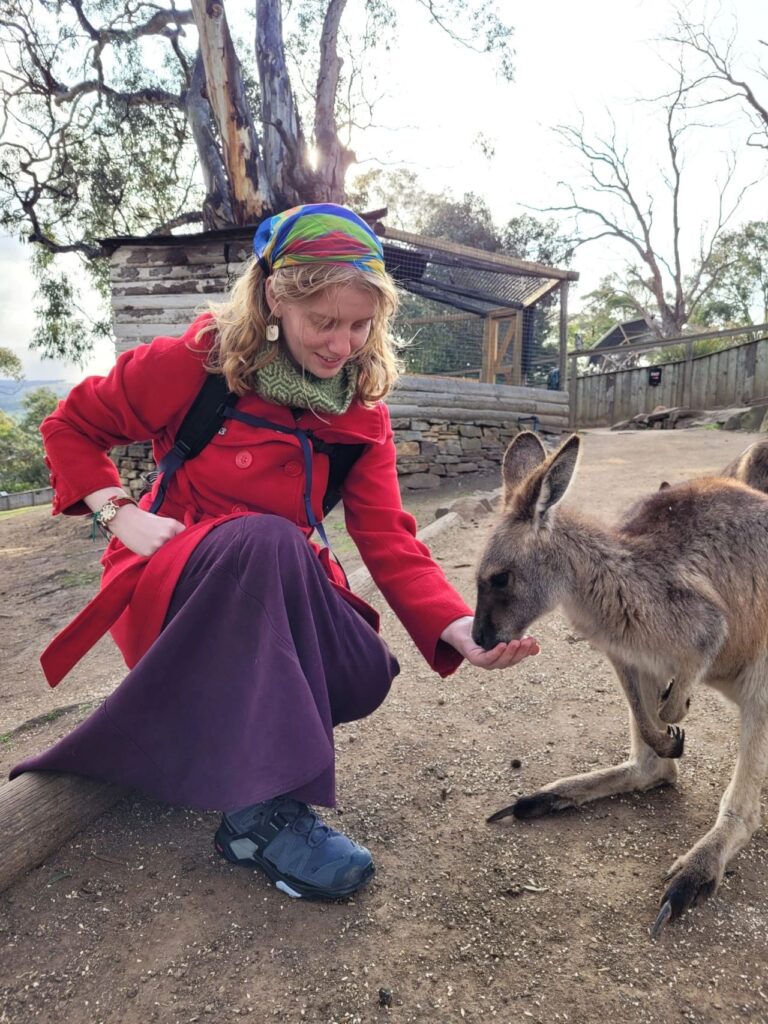
Arwen says she has always wanted to work in the marine sector, having also studied Marine Biology with Oceanography at the University of Southampton.
She came across the internship programme at a university careers fair, and having previously worked with PCF as an intern on the Cleddau Project, was excited at the opportunity to take part in the first South Wales Marine Futures Internship.
Despite always wanting to work within the sector, Arwen has explored and considered many different career paths.
“I’ve had lots of different ideas of what I wanted to do when I grew up or entered the full-time working world. I’ve wanted to be a teacher, an artist; worked in demolition, jewellery making, and a kayaking instructor. I wanted something that was varied.”
Arwen has a strong personal connection to the area too.
“I’m from Carmarthenshire originally and feel a very close connection to Pembrokeshire, as I was a kayaker growing up, so a chance to help look after those waterways is something quite special.”
Seeing what happens behind the scenes
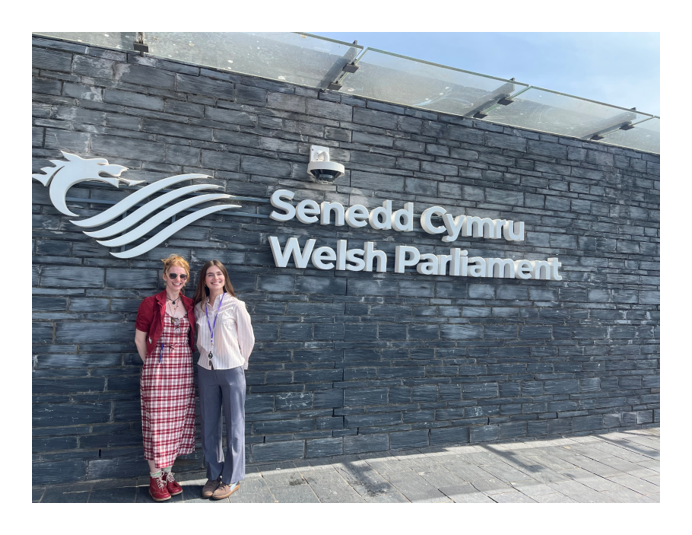
Thrown in at the deep end, Arwen and Sophie have quickly discovered the sheer range of people and organisations involved in marine energy, particularly here in South West Wales. For Sophie, it’s been one of the biggest surprises of the internship so far.
“I think the most surprising thing is how much activity and organisation goes on behind the scenes, which I think is often overlooked because progress can take time. The planning and communication that goes on day-to-day is absolutely vital to the success of any renewable energy project.”
“There are different organisations working on all the different aspects of projects, including engineering, environment, financial, social etc, and their priorities don’t always align, but they all need to be communicated with and managed effectively so that everyone can make well-informed decisions.”
Both Arwen and Sophie are experiencing this first-hand through their META project.
“As our main project, we’re investigating ways to improve META, so we have already gained some experience in managing stakeholders. We’ve organised regular meetings and have been collaborating with our partner organisations and other groups such as Rudders Boatyard and Swansea University, to gain valuable insights and support.”
And, as they’re discovering, getting everyone around the same table takes time.
“We have been very lucky so far that everyone has been very willing to help us out, but I have learnt not to underestimate how long this process can take when everyone is very busy and working on different timelines. Organisational and communication skills are very important!”
Arwen has been struck by the amount of activity happening right here in Pembrokeshire.
“I’ve been so surprised at just how many people and sectors are involved in marine energy development, especially locally. There are loads of local businesses working here to prepare for the future of marine renewables.”
“We are surrounded by water here, so in some ways, every person in Pembrokeshire is involved, and everyone has different backgrounds and opinions. For us coming in to the sector, it almost feels like a catch-up game, as there’s so much going on.”
What are our interns most excited about at META?
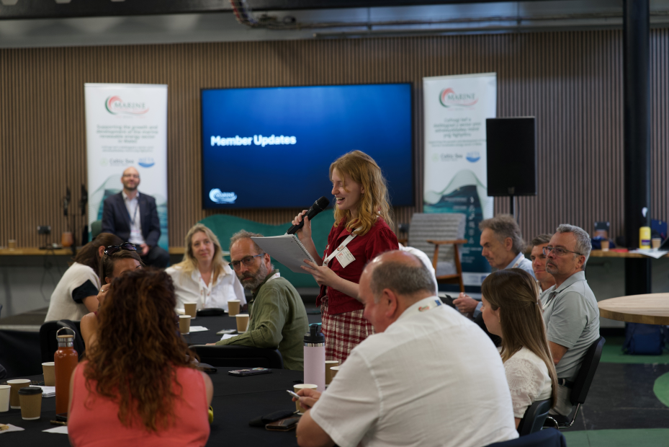
For Sophie, it’s the potential of META to help new technologies move forward.
“I am really excited that The Crown Estate has recognised the potential of META to play a key role in the development of marine renewables, and therefore tasked us with this project, so that more people can benefit from it.”
“I think META is so valuable because it is tangible; you can go out and actually see the test sites along the Milford Haven Waterway, and this will hopefully encourage more people to become more interested and involved in the project.”
“Test projects facilitate innovation by identifying areas of high cost or risk, and they can also demonstrate the feasibility of technology, encouraging investment which is absolutely fundamental to the commercialisation of marine energy.”
And for Arwen, there’s excitement in being involved at a point where there’s still plenty to shape.
“It’s a chance to set up an entirely new work environment for new technologies, and there’s so much being done locally to get young people started in the industry which is really cool, especially with the SPARC Project and Pembrokeshire College.”
“The marine sphere is a tough one to crack”
It hasn’t taken Arwen and Sophie long to spot one of the biggest challenges facing young people who want to build careers in the marine sector: getting that first opportunity.
Sophie said, “I feel incredibly lucky to have gotten this internship, as jobs in the marine industry are very competitive and I would say there isn’t enough. I have spent hundreds of hours volunteering in the marine sector, but this is the first role I am being paid for.”
“I think the Crown Estate internship is a great example though of a relatively short-term role that you don’t need prior industry experience for, but provides the opportunity to get involved in a real range of tasks so that you can find things that you enjoy, and most importantly build connections to get your foot in the door.”
“I’d love to see more roles like this one in the marine sector, particularly more entry-level type roles that don’t require years of experience because everyone has to start somewhere.”
Arwen agrees that more opportunities are needed.
“I would love to see more opportunities in the marine sector and help for young people to find their footing. It’s a tough job market to get into; there are lots of unpaid internships, which is a huge barrier for most people.”
“The marine sphere is a tough one to crack; you need to be really passionate, and it heavily relies on volunteers, mainly just because it’s a cool thing to get involved in, from marine mammals to citizen science surveys.”
“Unfortunately, entry jobs are far and few between, and you get a lot of people applying from all disciplines, which makes it very competitive.”
Her hope is to see more paid opportunities that provide a genuine route into the sector.
So, are they hopeful about the future?
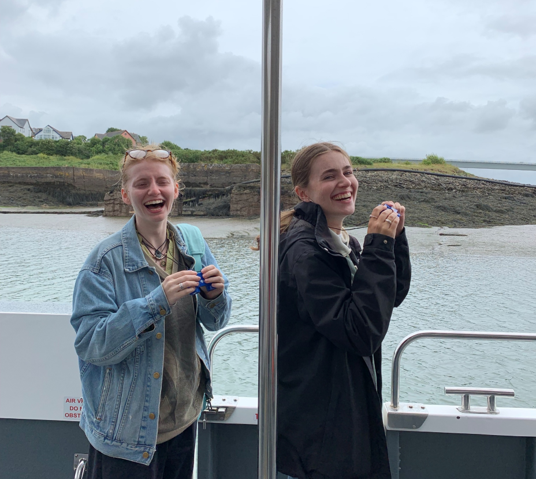
Thankfully, the answer is a pretty emphatic yes.
“Yes of course, I don’t think I’d be here otherwise!”
Since joining us, Arwen and Sophie have already met people working across Wales’ marine energy sector, including at the MEW 10-year anniversary celebrations.
“I think their passion and commitment towards developing marine energy, despite the economic and political challenges, is quite inspiring and ultimately everyone is working towards a common goal.”
They’re also excited about the range of technologies being developed in Wales, from tidal stream energy off Anglesey to floating offshore wind in the Celtic Sea.
Arwen is hopeful too, while recognising that the way we develop renewable energy matters.
“I’m hopeful that we can plan the whole lifecycle of the infrastructure in Wales too; from making, designing, and manufacturing to decommissioning, even repurposing and recycling at the end of its lifecycle in one place. Reducing our overall ecological footprint and shaping the future of Wales’s energy is crucial.”
And this is just the beginning…
We’re only a few months into the Marine Futures: South Wales internship, and there’s plenty more to come.
Over the next few months, Arwen and Sophie will continue working on their META project, building relationships across the sector and getting a broader understanding of the opportunities and challenges facing marine energy in Wales.
We’re really pleased to have them both as part of the team, and we’re looking forward to seeing what they discover over the coming months, and where their experiences at META and PCF take them next.
For more information on the internship programme, and to follow the progress of other interns across the UK, visit The Crown Estate’s Marine Internship Hub.